Home / Our work / Research and consultancy
Learning assessment of tribal students, MRS Malampuzha
- Partner
- District Administration of Palakkad
- Where
- Malampuzha, Palakkad
- When
- 2024
- Kind of work
- Research and consultancy
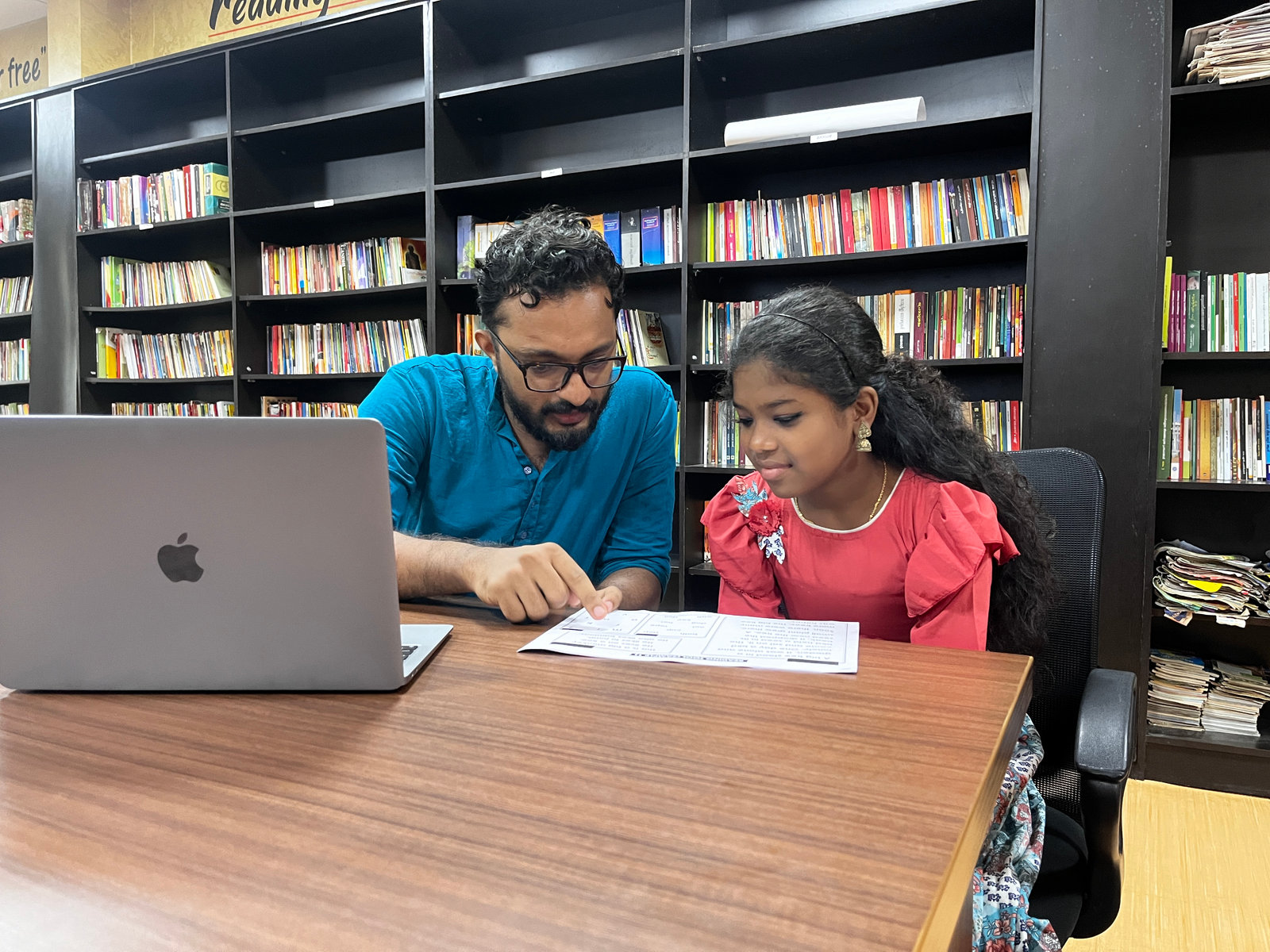
Why do tribal students drop out after school? A learning and aspiration survey at a residential school for Particularly Vulnerable Tribal Groups found the answer starts early.
The question
Many tribal students in Kerala drop out after Class 12 or early in college. We wanted to know whether learning problems in school were part of the reason. With the District Administration of Palakkad, we studied the Model Residential School in Malampuzha, which serves only students from Particularly Vulnerable Tribal Groups.
What we did
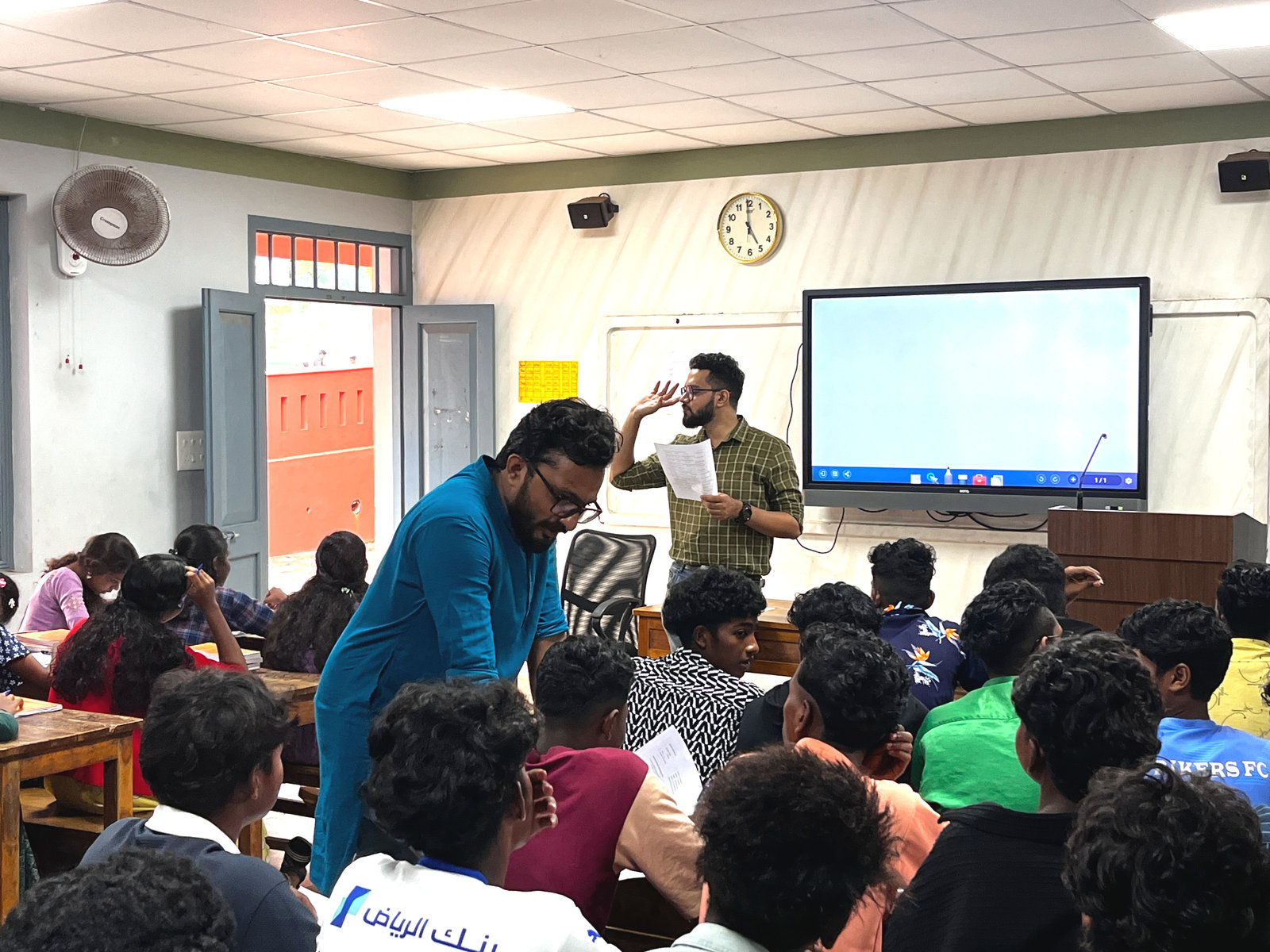
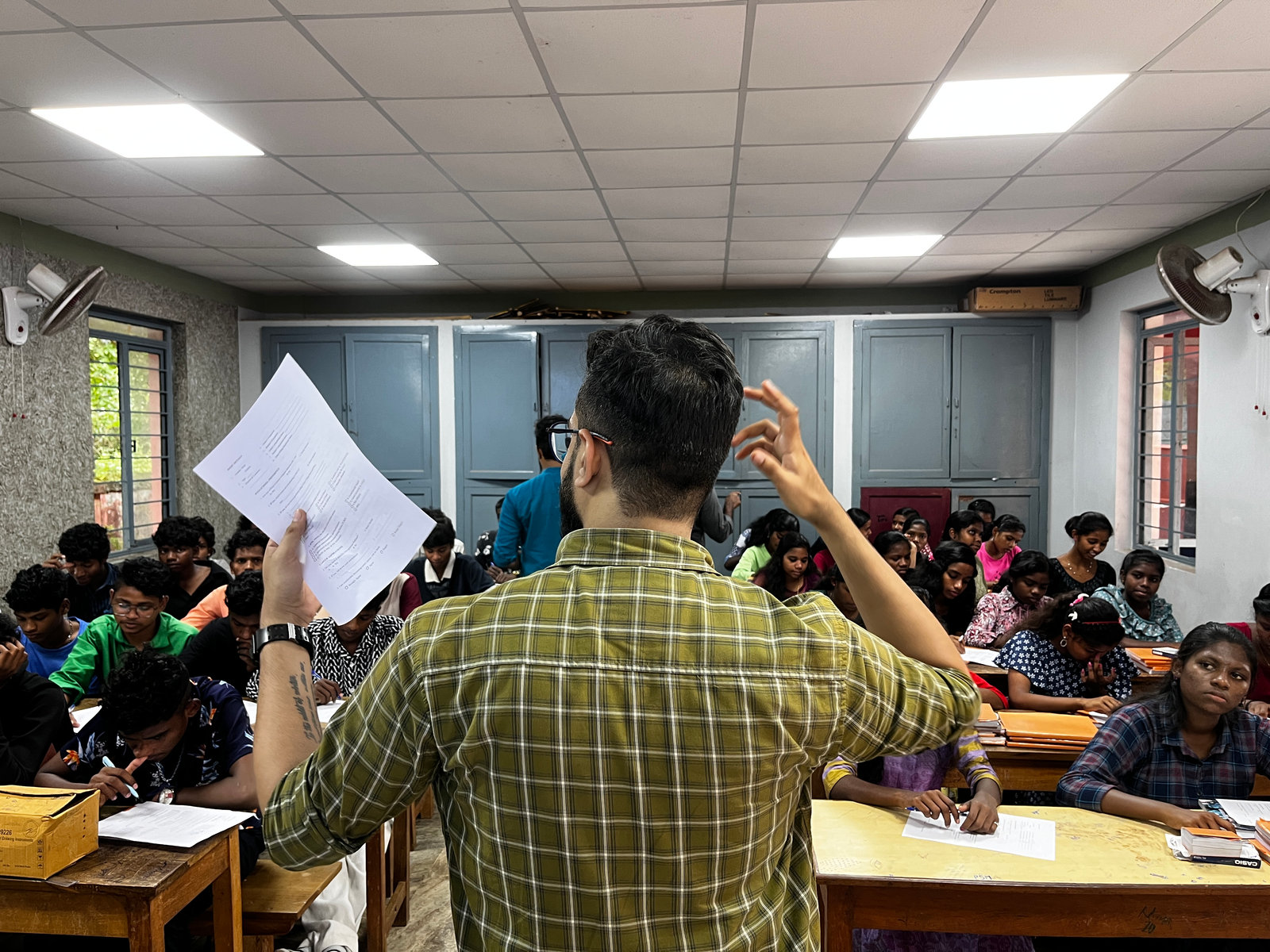
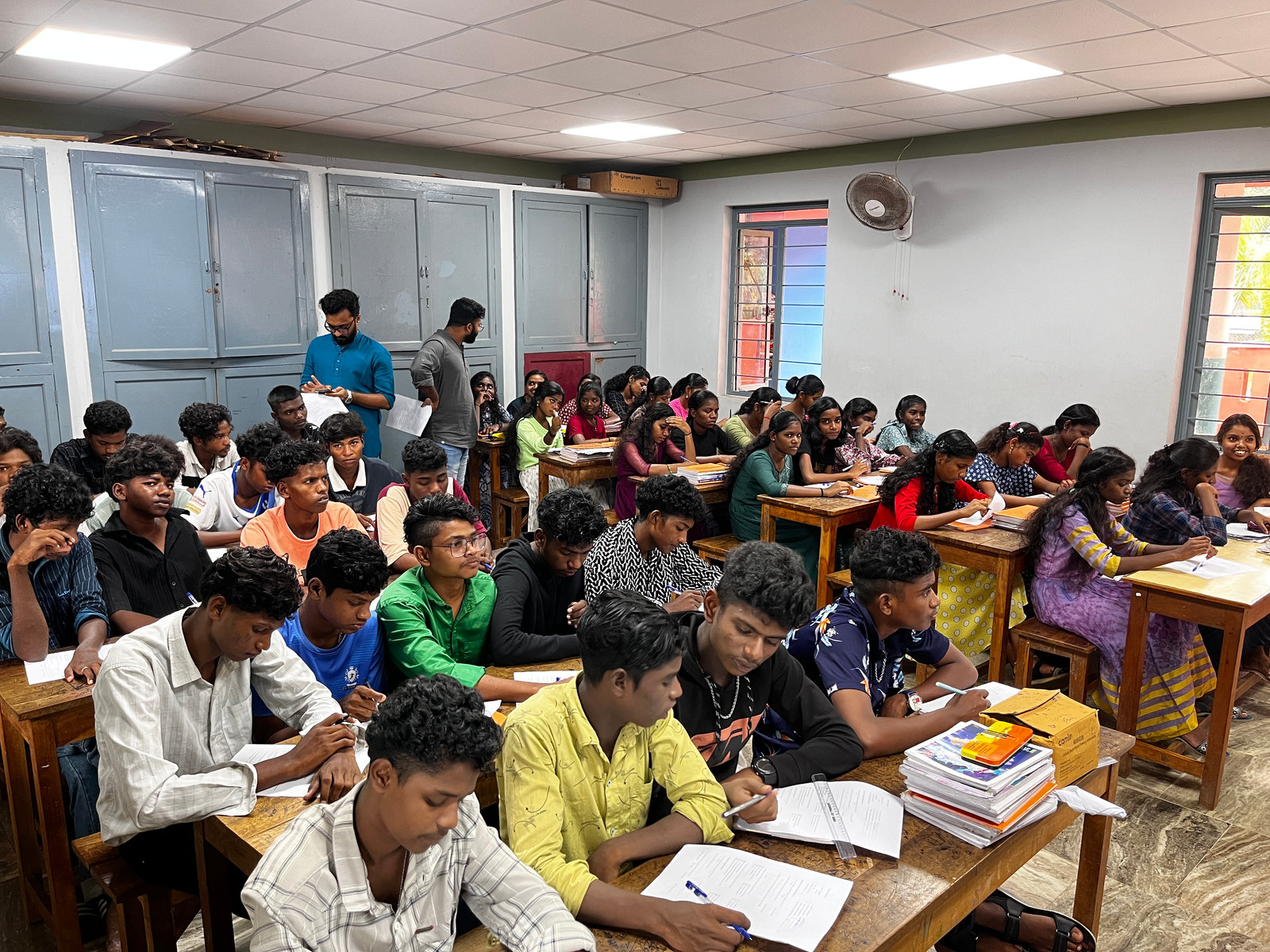
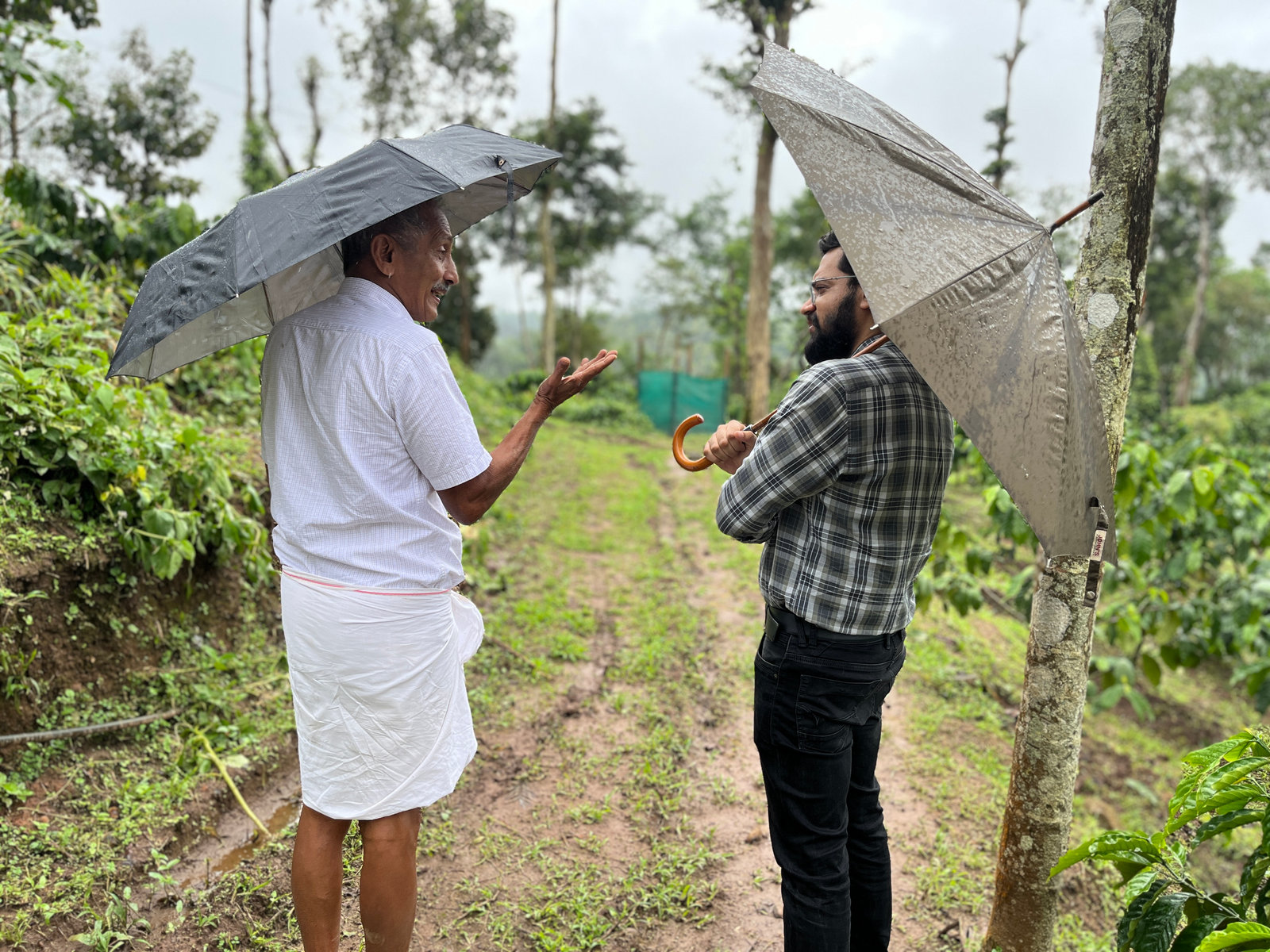
We tested reading and numeracy in English, Malayalam and Maths for Classes 3 to 8, and ran an aspiration survey for Classes 9 to 12 to see whether students had a clear path in mind. We also spoke with students who had dropped out of higher education.
What we found
- 44% of students in Classes 3 to 8 could not read basic sentences in Malayalam, 70% could not read basic words in English, and 81% could not do simple subtraction and division.
- Learning gaps widen over time, and students never build the habit of learning on their own. That leads straight to dropping out after Class 12.
- 71% of older students wanted to go on to higher education, but only 27% knew which colleges they could join and 41% knew about scholarships. Of those not planning to study further, 81% named money as the main barrier.
Behind these numbers lie a lack of primary education in the mother tongue, little support for learning at home, and limited exposure to the world outside, which narrows aspirations.
What came of it
We sent evidence-based recommendations on teaching methods and community engagement to the district and state governments. The study also led to our training for Anganwadi teachers and learning centre facilitators in Attappady.